Introduction
Starting a blog in 2026 is one of the smartest decisions you can make if you want to share your passion, build a personal brand or earn money online. But before your first post goes live, you need one thing that holds everything together: a reliable web host.
The problem? There are hundreds of hosting companies out there, all promising the moon. And when you’re just starting out, you don’t want to spend a fortune. The good news is you don’t have to. There are some excellent budget-friendly hosting options in 2026 that are fast, secure, and beginner-friendly.
In this guide, we’ll walk you through the best hosting for blogging in 2026 on a budget so you can launch your blog with confidence, without draining your wallet. Whether you’re a total beginner or switching from a bad host, this article covers everything you need to know.
What Makes a Hosting Plan Good for Bloggers?
Not all hosting plans are built the same way. A hosting plan that works for an e-commerce store might be completely overkill for a personal blog. So what should you actually look for?
The most important things for bloggers are uptime, speed, ease of use and price. Uptime means your blog stays online and doesn’t crash. Speed affects both your readers’ experience and your Google ranking. Ease of use matters if you’re not tech-savvy. And price matters when you’re just starting out and haven’t made a single dollar yet.
Here are the key features to look for in a budget blogging host:
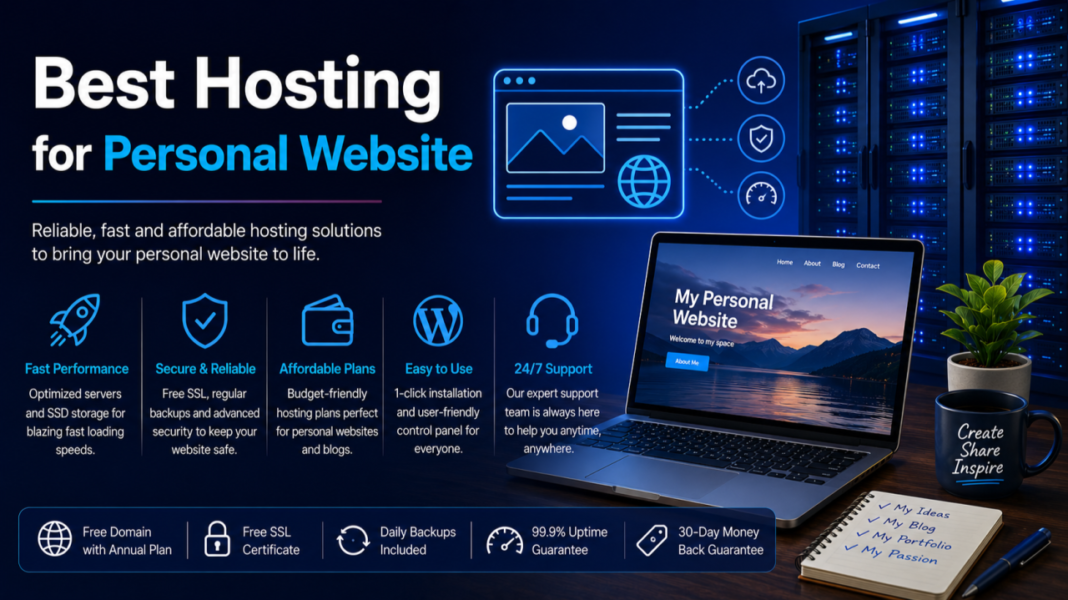
- 99.9% uptime guarantee: your blog should stay live around the clock
- Free SSL certificate: Google prefers secure (HTTPS) websites
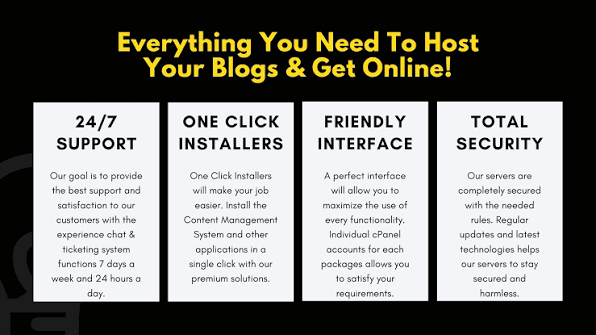
- One-click WordPress install: most bloggers use WordPress, so this saves a lot of time
- Good customer support: live chat or 24/7 help is a must for beginners
- Affordable renewal rates: some hosts lure you with cheap first-year prices but charge a lot later
Tip: Always check the renewal price, not just the introductory offer. A plan that costs $2/month now might jump to $10/month next year.
Shared Hosting vs. Other Types What’s Best for Bloggers?
When you’re new to blogging, you’ll come across different types of hosting: shared, VPS, cloud and dedicated. It can feel confusing at first, but the choice is actually simple for most bloggers.
Shared hosting is the best option for beginner bloggers. It means your website shares a server with other websites. This keeps costs very low usually between $1.99 and $5.99 per month. For a new blog that gets a few hundred to a few thousand visitors per month, shared hosting works perfectly well.
VPS hosting gives you dedicated resources on a shared server. It’s faster and more reliable, but costs more usually $20–$80 per month. This makes sense only when your blog grows to tens of thousands of monthly visitors.
Cloud hosting is scalable and great for traffic spikes, but the pricing can be unpredictable for beginners.
Dedicated hosting is when you rent an entire server. It’s powerful and expensive completely unnecessary for a new or growing blog.
The bottom line: start with shared hosting. It’s affordable, beginner-friendly and more than enough for a new blog. You can always upgrade later when your traffic grows.
Bluehost The Classic Budget Pick for Bloggers
Bluehost has been one of the most recommended hosting providers for bloggers for over a decade and in 2026, it still earns that reputation. It’s officially recommended by WordPress.org, which is a big vote of confidence. Their basic shared hosting plan starts at around $2.95/month (with a promotional deal), which includes a free domain for the first year, a free SSL certificate, and a one-click WordPress installation. For a beginner, that’s practically everything you need to get started right away. What makes Bluehost stand out is its user-friendly dashboard. Even if you’ve never set up a website before, you can have WordPress running in under 10 minutes.
A few things to keep in mind:
- Renewal prices go up after the first term (usually to around $10.99/month for the basic plan)
- Performance is solid for new blogs but may slow down as traffic grows significantly
- 24/7 customer support via chat and phone is available
Best for: Complete beginners who want a reliable, well-known host with easy WordPress setup.
Tip: Go for the 12-month or 36-month plan to lock in the lowest rate possible.
Hostinger Cheapest Hosting Without Sacrificing Quality
If your primary goal is to spend as little as possible while still getting a decent host, Hostinger is hard to beat. In 2026, their plans start at around $1.99–$2.99/month, making it one of the cheapest options in the market. But here’s the thing Hostinger doesn’t just win on price. It also performs surprisingly well. Their servers use LiteSpeed technology, which makes WordPress websites load faster than many competitors in the same price range. Hostinger’s custom control panel (hPanel) is clean and intuitive. It’s different from the traditional cPanel used by most hosts, but most users adapt to it quickly. You also get:
- Free SSL certificate
- Weekly backups (daily on higher plans)
- One-click WordPress installer
- AI website builder for non-WordPress users
One limitation: Hostinger’s live chat support can sometimes be slow, and phone support isn’t offered. However, their help articles and tutorials are very thorough.
Best for: Budget-conscious bloggers who want the lowest price without giving up speed or features.
Example: A lifestyle blogger starting out with no income can comfortably run their blog on Hostinger’s single shared plan for under $25/year.
SiteGround Best Performance on a Moderate Budget
SiteGround sits at a slightly higher price point than Bluehost or Hostinger, but it earns that extra cost through superior speed and customer service. In 2026, their StartUp plan is priced at around $3.99/month (introductory) and is designed specifically for websites with up to 10,000 monthly visits. What really sets SiteGround apart is its infrastructure. They use Google Cloud servers, which means faster load times and better global performance. They also have built-in caching and a free CDN (Content Delivery Network), which makes your blog load quickly for readers all over the world. Their customer support is genuinely excellent available 24/7 through live chat, and most issues are resolved in minutes.
Key features include:
- Free WordPress migration if you’re moving from another host
- Daily automatic backups
- Free SSL and CDN
- Staging environment for testing changes before making them live
Best for: Bloggers who want better performance and are okay with spending a bit more for peace of mind.
Tip: If you’re serious about blogging as a business, SiteGround’s extra reliability can save you headaches down the road.
DreamHost Great for Privacy-Focused Bloggers
DreamHost is another WordPress-recommended host that often gets overlooked, but it has some genuinely great features especially for bloggers who care about privacy and transparency. One standout feature: DreamHost offers a 97-day money-back guarantee, which is the longest in the industry. That’s over 3 months to try the service risk-free. If you’re unsure about hosting, that peace of mind is worth a lot.
Their shared starter plan is priced at around $2.59/month and includes:
- Free domain for the first year
- Free SSL certificate
- Unlimited traffic
- Pre-installed WordPress
DreamHost also doesn’t upsell you aggressively like some other hosts. The interface is clean and honest what you see is what you get. One downside: they don’t offer cPanel (they have a custom panel), and phone support is limited. Most support happens through live chat and email.
Best for: Bloggers who value simplicity, transparency, and a long trial period.
Example: A travel blogger who’s not sure about long-term hosting commitment would love DreamHost’s 97-day trial window.
NameCheap Hosting Ultra-Affordable with Free Domain
NameCheap is best known as a domain registrar, but their web hosting is worth serious consideration too. Their EasyWP plan (managed WordPress hosting) starts at just $3.88/month and is purpose-built for WordPress bloggers. The EasyWP platform is stripped down and simple it focuses entirely on running WordPress fast and without complications. There’s no messy control panel or confusing options. You log in, you blog. NameCheap also sells domains at some of the lowest prices in the market, so if you buy your domain and hosting together, you save even more. They also include a free domain with some plans.
Things to consider:
- EasyWP is good for bloggers, but less flexible for non-WordPress sites
- Support is chat and email-based, no phone
- Performance is solid for low-to-medium traffic blogs
Best for: Bloggers who want to keep costs super low and use WordPress especially if they’re also buying a domain.
Tip: Keep an eye out for NameCheap’s Black Friday deals they often offer massive discounts on both domains and hosting.
How to Choose the Right Budget Host for Your Blog
With so many options, it’s easy to feel overwhelmed. Here’s a simple framework to pick the right host based on your situation:
If you’re a complete beginner with no technical experience → go with Bluehost or Hostinger. Both are easy to set up and offer all the basics.
If performance matters to you and you can spend a little more → go with SiteGround. The speed and support are worth it.
If you’re on an ultra-tight budget → go with Hostinger. You won’t find a lower price with similar quality.
If you want a risk-free trial → go with DreamHost. Their 97-day guarantee is unmatched.
If you’re buying a domain and hosting together → go with NameCheap.
A few final tips before you buy:
- Never buy more than you need. Start with a basic plan and upgrade later.
- Always use a coupon code every major host offers discounts.
- Read real user reviews on platforms like Trustpilot before committing.
- Make sure your host includes daily or weekly backups so you don’t lose your content.
The best hosting for blogging in 2026 on a budget is the one that fits your current needs and gives you room to grow. Don’t overthink it pick one and start creating.

FAQ
Q1. What is the cheapest hosting for a blog in 2026?
Hostinger is currently the most affordable option, with plans starting at around $1.99/month. NameCheap’s EasyWP is also very budget-friendly. Both are reliable enough for beginner bloggers.
Q2. Is free hosting good enough for blogging?
Free hosting (like WordPress.com free plan or Wix free tier) can work for casual hobby blogs, but it comes with serious limitations ads on your site, no custom domain, limited storage, and poor SEO. If you want to grow or earn money from your blog, paid hosting is strongly recommended.
Q3. Do I need technical skills to set up a blog with these hosts?
No. All the hosts mentioned in this article offer one-click WordPress installation and beginner-friendly dashboards. You don’t need to know any coding to get started. Most bloggers are up and running within an hour.
Q4. Can I switch hosting providers later?
Yes, absolutely. Switching hosts (called “migrating”) is common and straightforward. Many hosts like SiteGround offer free WordPress migration. You can start on a budget host and move to a more powerful one when your blog grows.
Q5. How much storage do I need for a blog?
For most blogs, even 5–10 GB of storage is more than enough to start. Blog posts are mostly text, which takes up very little space. Only photo-heavy or video blogs need to worry about storage in the early stages.
Conclusion
Finding the best hosting for blogging in 2026 on a budget doesn’t have to be stressful. The right host is out there it just depends on your priorities.
To recap:
- Hostinger wins on price
- Bluehost wins on beginner-friendliness
- SiteGround wins on performance and support
- DreamHost wins on risk-free trial length
- NameCheap wins on combined domain and hosting value
No matter which one you choose, the most important step is to just get started. Your first blog post won’t write itself while you’re still comparing hosting plans. Pick a host, set up WordPress, and start sharing your story with the world.
Ready to launch your blog? Pick your hosting plan today and take that first step toward building something you’re proud of. Every successful blogger you admire started exactly where you are right now.